Calendula ~ Calendula officinalis
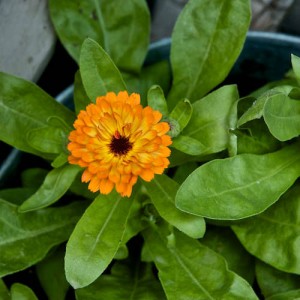 Calendula
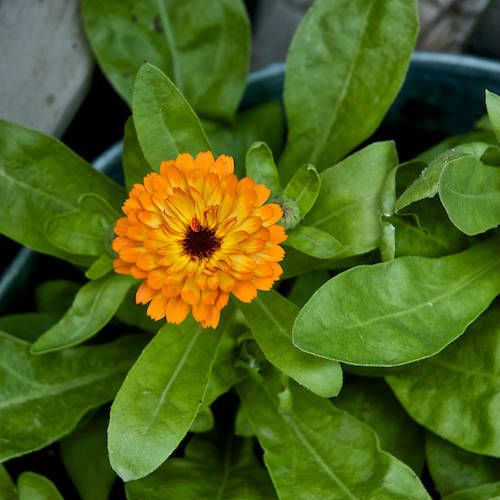
Latin name: Calendula officinalis
Family: Asteraceae
Part used: Flowers prior to fully opening
Habitat: temperate climates
Main constituents: essential oil, flavonol glycosides, saponins, sterols, triterpene alcohols, polysaccharides, tannins, chlorogenic acid
Energetics: drying, bitter, salty
Main herbal actions: antiseptic, anti-inflammatory, demulcent, vulnerary
Minor herbal actions: choleretic, lymphagogue, spasmolytic
Main medicinal uses: wounds, burns, bruises, boils, rashes, sore nipples, infectious diseases, tumors
Minor medicinal uses: lymphatic congestion, gastritis, gastric and duodenal ulcers, dysmenorrhea
Preparations: tincture: 1-4 ml tid; teaor soup: 30 grams dry herb weight (Khalsa), poultice (topical)
Contraindications: pregnancy (possible)
Toxicity: unknown
Sources: Sharol Tilgner, N.D.: Herbal Medicine from the Heart of the Earth; Wren, R.C. Potter’s New Cyclopaedia of Botanical Drugs and Preparations
Leave a Reply
You must be logged in to post a comment.