Bayberry ~ Myrica cerifera
 Bayberry
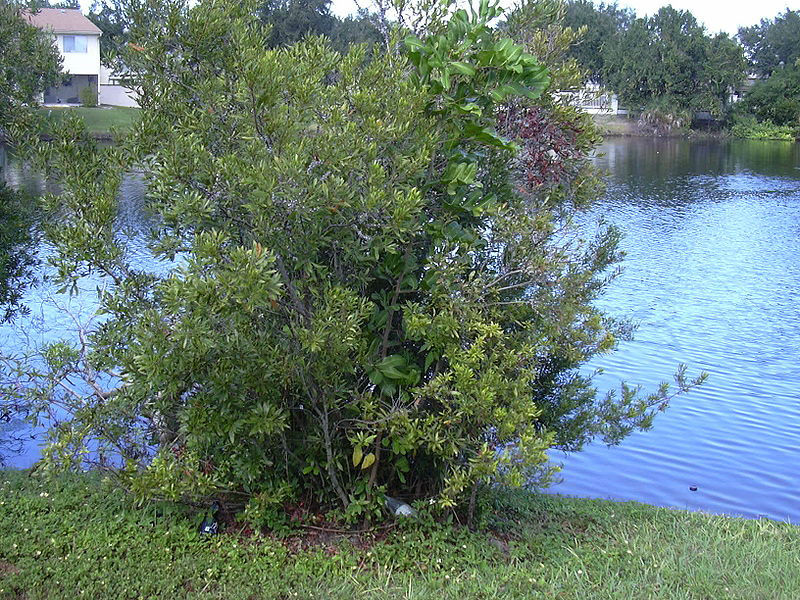
Latin name: Myrica cerifera
Family: Myricaceae
Part used: bark (mainly); leaves and flowers can also be used
Habitat: native to sandy swamps, thickets, marshes and wet woodlands of USA; widely cultivated in Europe and W. Indies
Main constituents: triterpenes, flavonoids, phenols, tannins, resins, gums
Energetics: astringent, warming, drying
Main herbal actions: styptic, astringent, tonifying (tightening), emetic
Minor herbal actions: diaphoretic, bactericidal, spermicidal; leaves: aromatic, stimulant
Main medicinal uses: hemorrhoids, atonic tissues, ulceration of mucous membranes, passive hemorrhage, venous atony, diarrhea, chronic gastritis
Minor medicinal uses: coughs, colds, sinusitis, asthma, ulcers, sores (external application), bleeding and sensitive gums, varicose veins,
Preparations: decoction: 1 tsp/cup water, taken internally; 1:5 dry plant liquid extract: 1-30 gtt qd-tid; can use as mouth rinse or gargle; powdered bark (1tsp pwd: 1 cup warm water) is used externally in poultices (note possible discrepancies for doses of different preparations)
Contraindications: wax in young branches may be carcinogenic; pregnancy; hypertension
Toxicity: unknown
Notes: Premier astringent in Western herbalism. One of main herbs used in Thomsonain herbal medicine.
Sources: Sharol Tilgner, N.D.: Herbal Medicine from the Heart of the Earth; Wren, R.C. Potter’s New Cyclopaedia of Botanical Drugs and Preparations; http://www.egregore.com/herbs/bayberry.html#Warning
Leave a Reply
You must be logged in to post a comment.