Asparagus ~ Asparagus officinalis
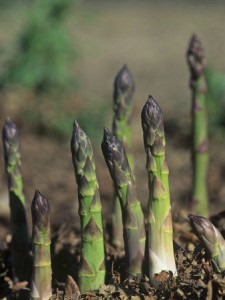 Asparagus
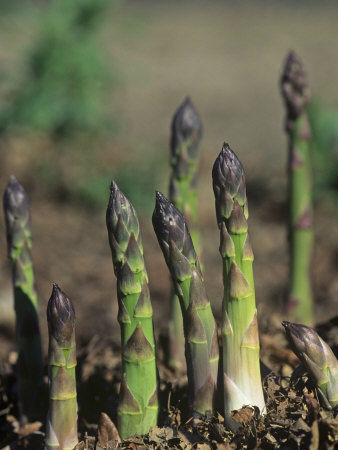
Latin name: Asparagus officinalis
Family: Liliacea
Part used: rhizome; young shoots as food
Habitat: Europe, Western Asia, cultivated in other parts of the world
Main constituents: Steroidal glycosides (asparagosides); bitter glycosides, asparagine, folic acid, arginine, tyrosine, flavonoids, polysaccharides, flavonoids
Energetics: cold and wet, cools renal and lower urinary activity, warms lower and upper GI activity, warms parasympathetic and cools sympathetic nervous system activity, cools cardiovascular and respiratory system function
Main herbal actions: diuretic, laxative, urinary demulcent, general kidney bladder benefit, moist anabolic agent (Khalsa)
Minor herbal actions:Â cardiac tonic, sedative, hypotensive
Main medicinal uses: kidney gravel
Minor medicinal uses: gout, dropsy, rheumatism
Preparations: dried encapsulated root, standardized extract, tincture
Dose: very mild, food-like herb, raw hwr in capsules- up to as much as 20 grams per day, as necessary (Khalsa)
Contraindications: diarrhea, pyelonephritis or other kidney infections, edema caused by impaired kidney or heart function
Toxicity: unknown
Comments: Very similar to Chinese species and Ayurvedic shatavari (A. racemosus)
Sources: http://www.viable-herbal.com/singles/herbs/s112.htm, http://www.botanical.com/botanical/mgmh/a/aspar079.html#med, http://www.naturalhealthnotebook.com/Herbs/Latin_Herbs/Genus-A/Asparagus_officinalis.htmQ, Wren, R.C. Potter’s New Cyclopaedia of Botanical Drugs and Preparations.
Leave a Reply
You must be logged in to post a comment.