Crampbark ~ Viburnum opulus
Crampbark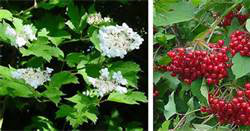
Latin name: Viburnum opulus
Family: Caprifoliaceae
Part used: bark
Habitat: Europe, Britain, America
Main constituents: Hydroquinones (arbutin, methylarbutin), coumarins (scopoline), tannins (catechins)
Energetics:Â Astringent, aromatic, drying
Main herbal actions: antispasmodic, nervine, cerebrospinal vasostimulant, carminative, astringent
Minor herbal actions: anti-inflammatory,
Main medicinal uses: connective tissue support (Khalsa), bronchial, gastrointestinal, genitourinary, and skeletal muscle spasms, menstrual cramps
Minor medicinal uses: atony of pelvic organs, asthma, threatened miscarriage, morning sickness, hemorrhage during labor
Preparations: decoction: 1-2 ounces per day (Khalsa), dry strength liquid extract
Contraindications: viburine in leaves and fruits may cause gastroenteritis; contains coumarin, thus CI with blood thinning agents; large doses may case hypotension; pregnancy
Toxicity: berries may be fatal
Sources: Sharol Tilgner, N.D.: Herbal Medicine from the Heart of the Earth; Wren, R.C. Potter’s New Encyclopedia of Botanical Drugs and Preparations
Module 3
Good to use with Rolfing
Grows in Northeast US. Related to Black Haw – Haw means “berry”
Used for Uterine Cramps
Dose 1/2 oz to 1 oz of herb. Students get good results with capsules.
Leave a Reply
You must be logged in to post a comment.