Wild Yam ~Dioscorea villosa
Wild Yam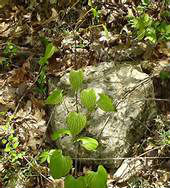
Latin name: Dioscorea villosa
Family: Dioscoreaceae
Part used: root
Habitat: North America
Main constituents: diosgenin, phytosterols
Energetics: bitter, cooling, bitter
Main herbal actions: autonomic nerve relaxant
Minor herbal actions: hypoglycemic
Main medicinal uses: pain that is spasmodic, shooting, shifting, and aching; conditions related to low progesterone/high estrogen related problems, dysmenorrhea, spasmodic diarrhea
Minor medicinal uses: inflammation of large joints
Preparations: decoction: 1 tsp/cup water; 1:2.5 dry strength liquid extract: 20-60 drops 1-4 times daily; tincture: 45% EtOH 3-5 ml tid, capsules: 6 grams per day (Khalsa)
Contraindications: unknown
Toxicity: unknown
Sources: Sharol Tilgner, N.D.: Herbal Medicine from the Heart of the Earth; Bastyr U. monographs
Module 3
Native Americans used it but it was over harvested. Found in other countries like Mexico – plenty left.
Source of plant hormones used in the original birth control pills. Not a source of viable hormones if eaten in the kitchen.
In the lab, it has to be processed to make the hormones bio-available. Progesterone is made in the lab of Wild Yam.
In TCM, it is a Liver support remedy – therefore used as a stomach distress, gas, indigestion.
In TCM, the liver support indirectly supports menstrual cramps.
Popular Wild Yam cream – it is the soy based cream that has progesterone, but not the Wild Yam. Soy has compound that are similar to steroid hormones in the human body, but are not directly – not bio-identical directly. Conversion is done in the lab.
Sweet Potatoes are in the Morning Glory Family, and Yams are in the Dioscorea Villosa family.
Diosgenin
Diosgenin is the steroid sapogenin found in Wild Yam
From tubers of Dioscorea wild yam
Aglycone, diosgenin
commercial synthesis of cortisone, pregnenolone, progesterone, other steroids
Leave a Reply
You must be logged in to post a comment.