Cranesbill ~ Geranium maculatum
Cranesbill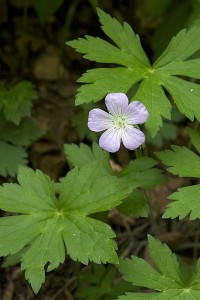
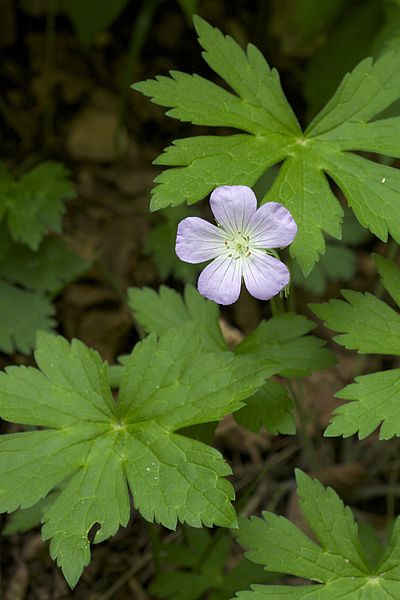
Latin name: Geranium maculatum
Family: Geraniaceae
Part used: root, herb
Habitat: USA
Main constituents: tannins, including gallic acid
Energetics: cooling
Main herbal actions: styptic, astringent
Minor herbal actions: vulnerary, tonic
Main medicinal uses: diarrhea, internal or external bleeding (epistaxis, menorrhagia)
Minor medicinal uses: leukorrhea, gastric and duodenal ulcers, hemorrhoids
Preparations: Tincture [1:5, 50% alcohol, 10% glycerin] in 1/2 to 1 teaspoon doses, up to qid; Strong decoction, 1-4 ounces, up to qid, capsules: up to 7 grams qd
Contraindications: generally safe
Toxicity: unknown
Sources: Wren, R.C. Potter’s New Encyclopedia of Botanical Drugs and Preparations; http://www.ibiblio.org/herbmed/eclectic/cook/GERANIUM_MACULATUM.htm; http://www.naturalhealthnotebook.com/Herbs/Latin_Herbs/Genus-G/Geranium_maculatum.htm
Cranesbill Module 2 lecture
- Major use in Western Herbalism is as an astringent, and for Diarrhea
- May be the most astringent plant in all of herbalism
Cranesbill Module 3 ~ notes page 32
Astringent herbs include:
Cranesbill Root, Turmeric, Black walnut bark, White oak bark
Leave a Reply
You must be logged in to post a comment.