Guarana ~ Paullinia cupana
Guarana
Latin name: Paullinia cupana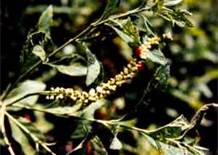
Family: Sapinaceae
Part used: seeds
Habitat: Brazil, Venezuela
Main constituents: xanthine alkaloids (caffeine, theobromine, theophylline, xanthine), tannins
Energetics: warming
Main herbal actions: stimulant, astringent, antiamnesic, antibacterial cardiotonic, antioxidant, inhibits platelet aggregation
Minor herbal actions: anti-obesity, vasodilator, hyperglycemic
Main medicinal uses: diarrhea, hangover, headaches, depression, neuralgia, arteriosclerosis, dyspepsia, fatigue, fever, flatulence, headache, gastroenteritis, urticaria
Minor medicinal uses: malaria, obesity, dysentery, leucorrhea
Preparations: decoction: ½-1 cup qd-tid; 4:1 tincture: 1-3 ml bid, capsules: 1-6 grams qd (Khalsa)
Contraindications: pregnancy, breast-feeding; sensitivity to caffeine or other xanthines; high xanthine consumption should be avoided in high blood pressure, cardiac disorders, diabetes, ulcers, epilepsy; long-term use
Toxicity: safe even at high doses (2g/kg body weight)
Sources: Wren, R.C. Potter’s New Encyclopedia of Botanical Drugs and Preparations; http://www.rain-tree.com/guarana.htm
Guarana Module 2 lecture
- Part used: Seed
- Grows in Brazil and Venezuela
- It is a main caffeine source
- Many indigenous uses
- Dose: 1 to 6 grams/day (Khalsa)
- We don’t know how native population uses it. It has more caffeine than coffee beans.
Leave a Reply
You must be logged in to post a comment.