Hawthorn ~ Crataegus spp.
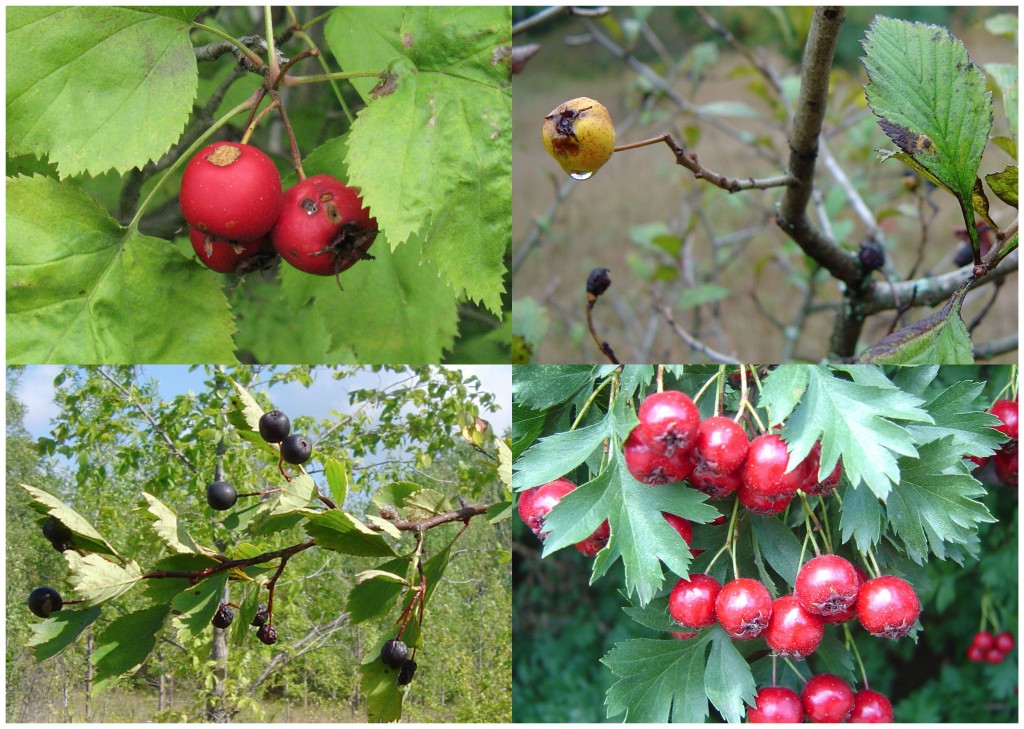 Hawthorn
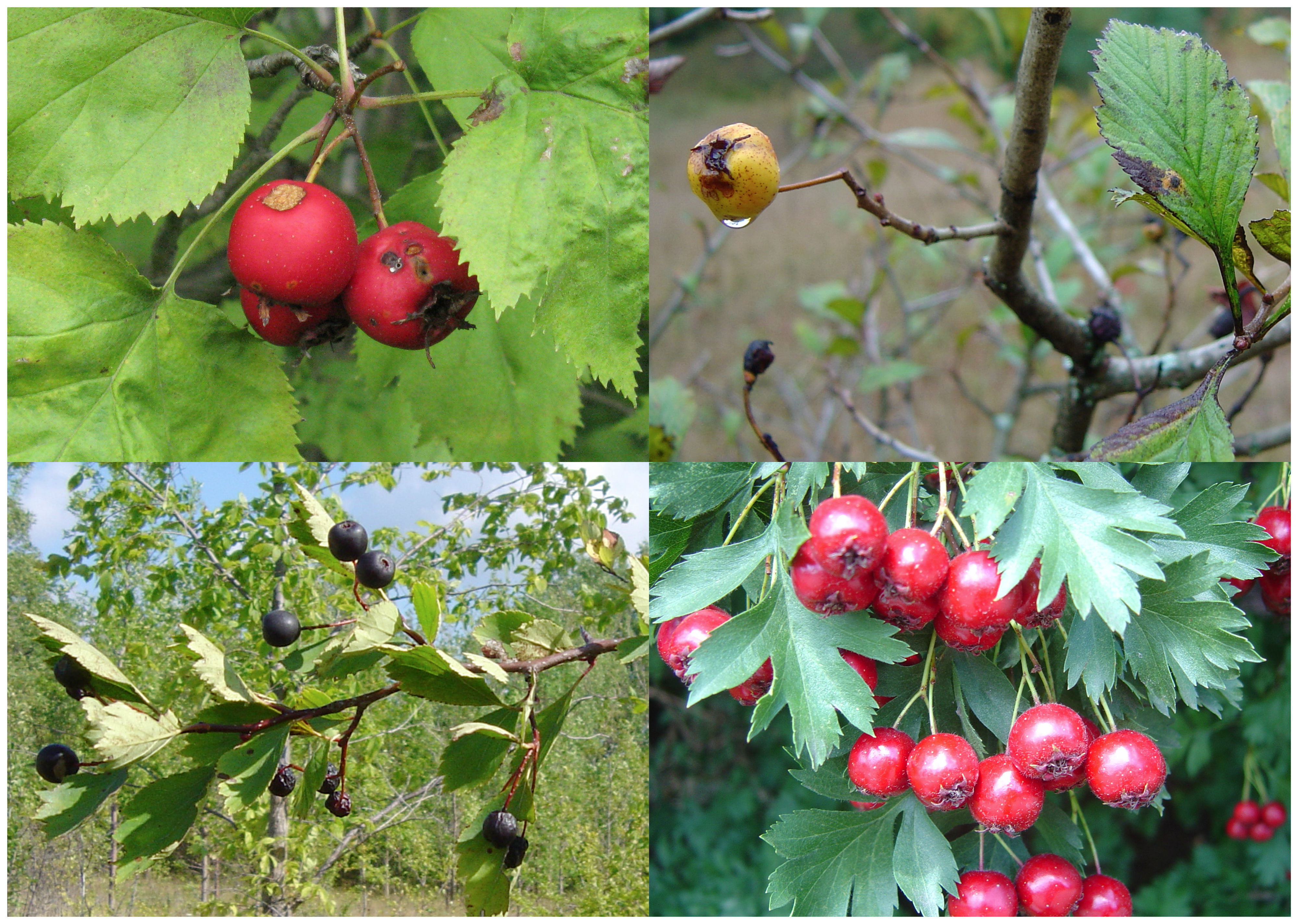
Latin name: Crataegus spp.
Family: Rosaceae
Part used: flowers, leaves, berries (mainly historically)
Habitat: common hedge plant in Britain and Europe
Main constituents: amines, flavonoids (quercetin, vitexin), phenolic acids
Energetics: warming, sour
Main herbal actions: cardiac tonic, cardioprotective, hypotensive, anti-sclerotic
Minor herbal actions: diuretic, mucilage (berries), astringent (leaves), antioxidant, nutritious
Main medicinal uses: functional and organic heart disorders (dyspnea, rapid and feeble heart action, angina, congestive heart failure, coronary artery disease, cardiac hypertrophy, hypertension, hypotension)
Minor medicinal uses: hemorrhoids, venous stasis, arrhythmias
Preparations: infusion: 1 Tbsp/cup water; 1:5 tincture: 60-120 gtt qd-qid, powder in capsules: 3-20 grams (Khalsa)
Contraindications: can decrease need for cardiac drugs
Toxicity: unknown
Sources: Sharol Tilgner, N.D.: Herbal Medicine from the Heart of the Earth; Wren, R.C. Potter’s New Cyclopaedia of Botanical Drugs and Preparations
Leave a Reply
You must be logged in to post a comment.