Black Haw ~ Viburnum prunifolium
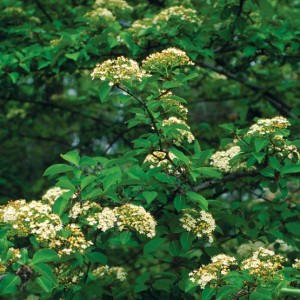 Black Haw
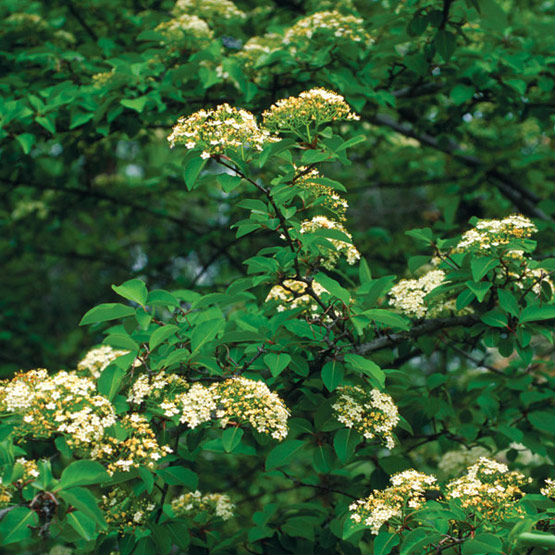
Latin name: Viburnum prunifolium
Family: Caprifoliaceae (Close relative of Cramp bark, Viburnum opulus)
Part used: stem, root bark
Habitat: bogs and low woods of Eastern andCentral USA
Main constituents: coumarins (scopoletin), salicin, viburnin, amentoflavone, resins
Energetics: aromatic, spicy
Main herbal actions: uterine tonic and sedative, nervine, antispasmodic, sedative, antidiarrheal, analgesic
Minor herbal actions: astringent, cardiac tonic, diuretic
Main medicinal uses: threatened miscarriage in pregnancy, dysmenorrhea, menstrual cramps, after-pains
Minor medicinal uses: nervous complaints including convulsions, hysteria, stress and spasms; hypertension; rheumatic conditions
Preparations: powdered root bark: 1-2 g, up to 9 g; tincture: 4-8 ml (note possible discrepancies for doses of different preparations)
Contraindications: unknown
Toxicity: nausea (berries)
Sources: Wren, R.C. Potter’s New Cyclopaedia of Botanical Drugs and Preparations; http://www.egregore.com/herbs/blackhaw.html; http://www.naturalhealthnotebook.com/Herbs/Latin_Herbs/Genus-V/Viburnum_prunifolium.htm; http://www.healthy.net/asp/templates/article.asp?PageType=Article&ID=429
Leave a Reply
You must be logged in to post a comment.