Aloe ~ Aloe barbadensis L.
Aloe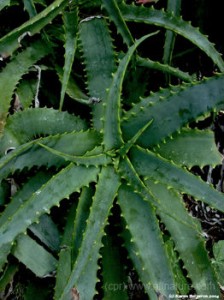
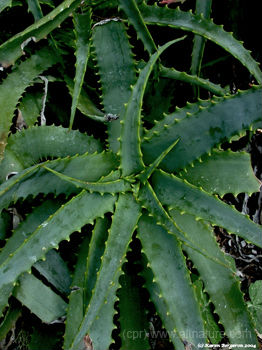
Latin name: Aloe barbadensis L., Aloe vera
Family: Liliaceae; Aloaceae
Part used: whole leaf, inner leaf
Habitat: West Indies, S. and E. Africa
Main constituents: anthraquinones (in latex); polysaccharide (inner leaf gel), emodin, aloctin A
Energetics: cooling, drying, stimulating
Main herbal actions: laxative (in latex), cholagogue, emollient, female tonic (Ayurveda)
Minor herbal actions: immunostimulating, antitumor, stomachic, choleretic; inner leaf gel is anti-inflammatory, antipruritic, vulnerary, and hypocholesterolemic
Main medicinal uses: chronic constipation with bowel atony
Minor medicinal uses: inner leaf gel is used topically on burns, wounds, aphthous ulcers and internally for gastric ulcers and diabetes
Preparations: Whole fresh aloe: small pieces of 1 cm2; powder: 300 mg; large doses are laxative; juice or gel: 30 ml
Contraindications: chronic ingestion of whole leaf may deplete electrolytes from stool looseness; potassium loss may potentiate cardiac glycoside toxicity; use no more than 8-10 consecutive days; ulcerative colitis, Crohn’s disease, inflamed hemorrhoids, children under 12
Toxicity: vomiting, bloody diarrhea, intestinal spasms, kidney inflammation
Sources: Sharol Tilgner, N.D.: Herbal Medicine from the Heart of the Earth; Wren, R.C. Potter’s New Cyclopaedia of Botanical Drugs and Preparations
Leave a Reply
You must be logged in to post a comment.