Safflower ~ Carthamus tinctorius
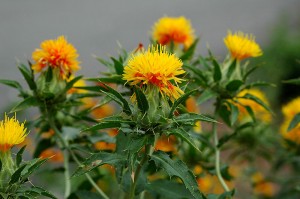 Safflower
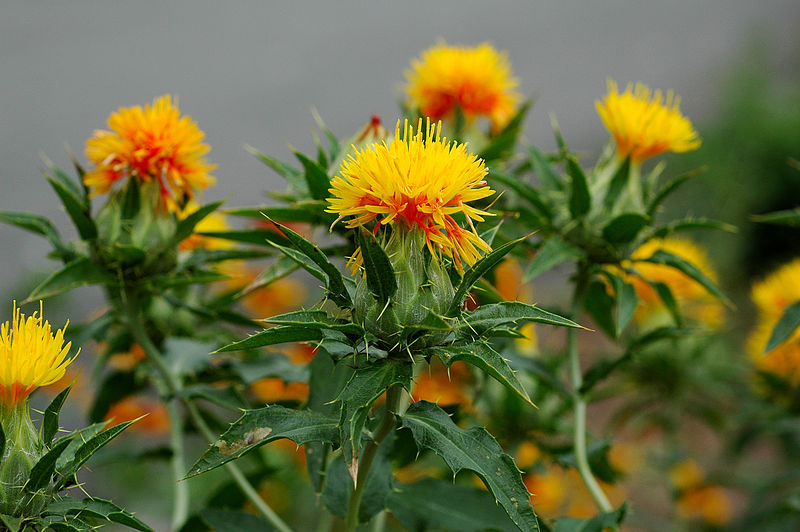
Latin name: Carthamus tinctorius
Family: Asteraceae
Part used: flowers
Habitat: indigenous to Asia; cultivated in other parts of the world
Main constituents: carthamone, lignans, polysaccharide
Energetics: warm, spicy
Main herbal actions: laxative, diuretic, vasodilator for coronary arteries, hypotensive anti-inflammatory, reduces platelet aggregation, lowers blood lipids, analgesic, anti-spasmodic, immune stimulant, anti-bacterial, anti-fungal, interferon induction
Minor herbal actions: uterine stimulant, abortificant, emmenagogue, diuretic, diaphoretic
Main medicinal uses: measles, fevers, coronary diseases, thrombotic disorders
Minor medicinal uses: amenorrhea, contusions, strains, ulcers, wounds
Preparations: oil (external)
Contraindications: concurrent use of blood thinning medications, pregnancy, menorrhagia
Toxicity: long-term use may cause weight loss
Sources: Wren, R.C. Potter’s New Encyclopedia of Botanical Drugs and Preparations; http://www.herbalists.on.ca/resources/freeman/CARTHAMU.html
Â
Module 2 lecture
- Vasodilator for coronary arteries
- Anti-spasmodic
- Very minor herb in Western Herbalism
- Part used: Flower
Leave a Reply
You must be logged in to post a comment.