Parsley ~ Petroselinum crispum
 Parsley
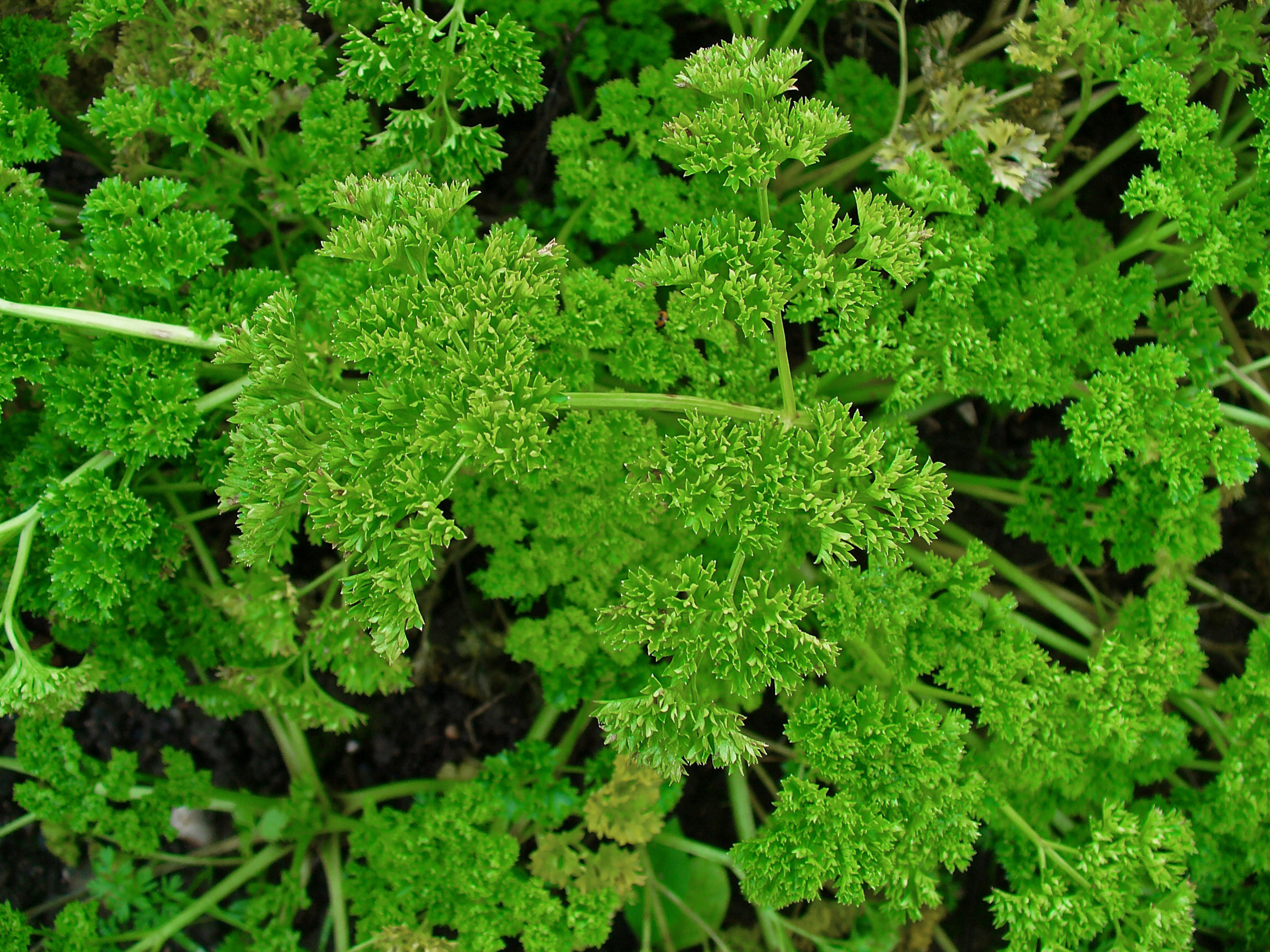
Latin name: Petroselinum crispum
Family: Umbelliferae
Part used: leaf, root, seed
Habitat: native to Eastern Mediterranean; cultivated worldwide
Main constituents: volatile oil, coumarins, flavonoids, phthalides
Energetics: cooling (root), warming (seed), drying
Main herbal actions: diuretic, carminative
Minor herbal actions: galactotogue, abortifacient, emmenagogue, spasmolytic, antiseptic, anti-inflammatory (leaf)
Main medicinal uses: urinary tract infections, kidney stones, flatulence, cystitis and rheumatic conditions, delayed period, dysmenorrhea
Minor medicinal uses: flavoring
Preparations: infusion: 1 small tsp seeds or 1 Tbsp root/cup water; 1:3 tincture: 10-50 gtt qd-qid, leaf in capsules: 6 grams per day to ad lib (Khalsa)
Contraindications: pregnancy
Toxicity: the seed can cause gastric, cardiac, liver, and kidney irritation in large doses; apiole in the essential oil can cause kidney inflammation
Sources: Sharol Tilgner, N.D.: Herbal Medicine from the Heart of the Earth; Wren, R.C. Potter’s New Encyclopedia of Botanical Drugs and Preparations; http://world.std.com/~krahe/html2b.html
Leave a Reply
You must be logged in to post a comment.